Drain services
Tree roots in the sewer line
Roots don't break pipe to get in. They find a joint that leaks a little moisture, grow fine hairs through it, and fill the pipe from the inside.
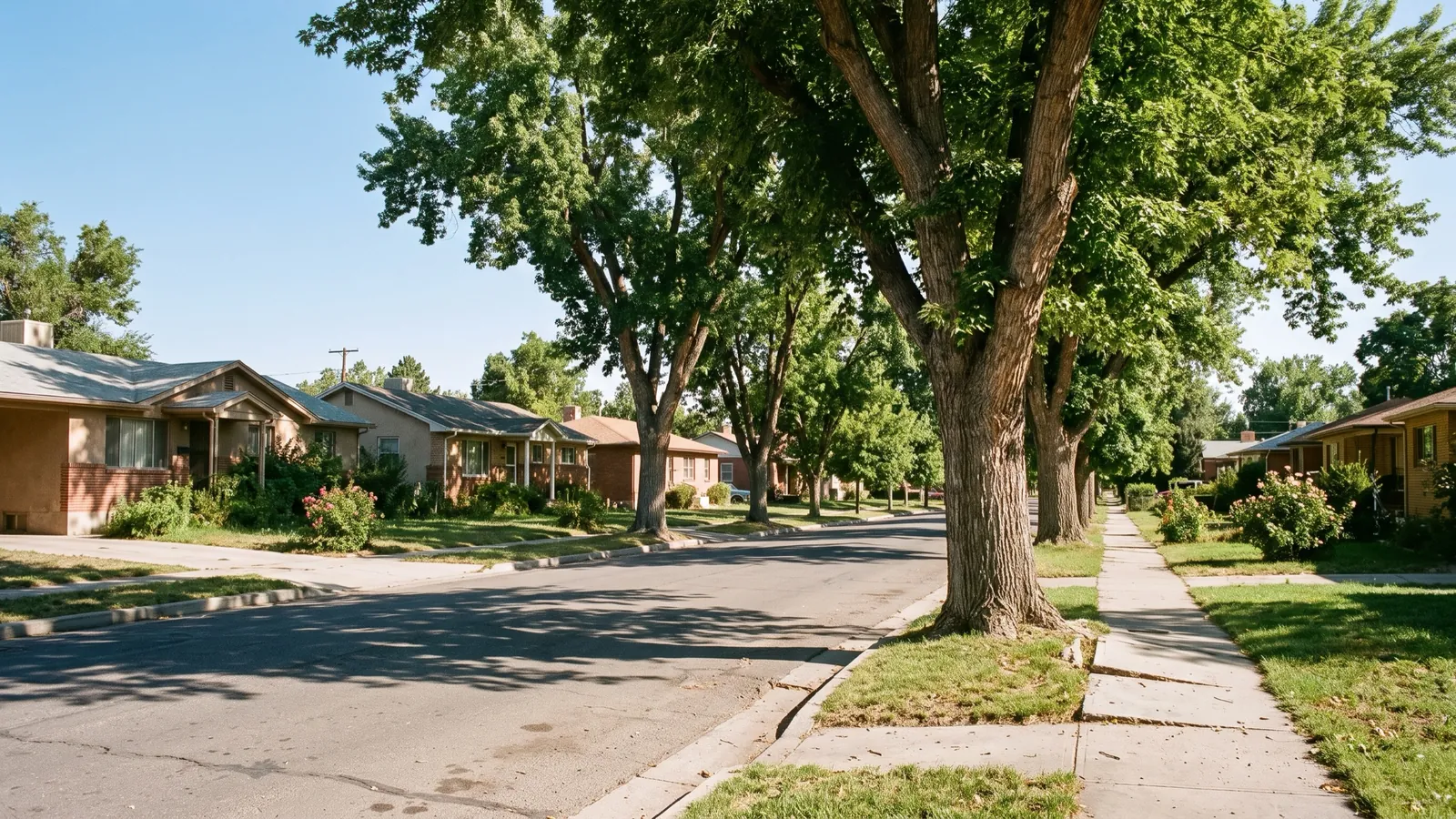
The pattern people notice
The house drains slowly for a while, then backs up. It's cleared, works fine for some months, and then does it again. Paper and waste catch on the root mass, so the backup often follows a busy day of laundry or guests. The city names roots as one of the usual causes of sewer blockages.
How roots are usually dealt with
Cut
A cable machine with a toothed or spring cutter shaves the roots back to the pipe wall.
Wash
A jetter often follows to flush the cut pieces and the fine hair that a cutter leaves.
Look
A camera shows which joint they came through and whether it has cracked or shifted.
Decide
Cutting buys time. Sealing or replacing the joint is the only lasting fix.
Repair choices once you know the joint
A single bad joint may be dug up and replaced. A lateral with roots at many joints may be a candidate for a liner, a resin sleeve cured inside the old pipe, or for replacement. Each is covered on the repair and replacement page.
Ask the plumber how long they would expect a root cut to last in your pipe, and whether they'd show you the camera footage before you commit to anything bigger.
Still weighing it up?
Find out whether they'd go in through a cleanout or a fixture, whether the price is per job or per hour, and if the camera costs extra. Ending the conversation commits you to nothing.
Water still standing somewhere?
Say which fixtures misbehave, what you poured or plunged already, and whether sewage surfaced. A valley plumbing business picks up, and the choices stay yours.
Call (970) 644-6846The conversation can be recorded. Money flows as set out in the referral disclosure; data use is in our privacy notes.